








What is the difference between quarter turn and multi-turn actuators?
 Nov 12, 2024|
 View:1262
Operational Range:
Quarter-turn Actuators: These actuators are designed to move valves that require a 90-degree rotation or a quarter turn from fully closed to fully open. They are typically used for valves such as ball valves, butterfly valves, and plug valves, which operate on a quarter-turn principle.
Multi-turn Actuators: In contrast, multi-turn actuators are used for valves that require multiple rotations to move from a closed to an open position. These are commonly used with gate valves, globe valves, and other types of valves that need full-circle motion to operate.

Torque and Speed:
Quarter-turn Actuators: These actuators can provide high torque in a small movement range, which is ideal for applications where a large force is needed to turn the valve but the movement is limited to a quarter turn.
Multi-turn Actuators: Multi-turn actuators, on the other hand, provide lower torque over a longer period, as they need to operate over multiple rotations. They are designed for precision and control over a full 360-degree rotation or more.
Applications:
Quarter-turn Actuators: They are widely used in applications such as water and wastewater management, oil and gas pipelines, chemical processing, and HVAC systems where quick and precise actuation is required.
Multi-turn Actuators: These are used in water treatment plants, power generation facilities, and oil and gas industries for controlling valves that need to be turned multiple times to achieve the desired position.
Design and Complexity:
Quarter-turn Actuators: Often simpler in design, quarter-turn actuators can be direct drive or use a simple gearing system to achieve the 90-degree rotation.
Multi-turn Actuators: These may have more complex gearing systems to ensure precise control over multiple turns, which can include worm gears or spur gears.

Control and Feedback:
Quarter-turn Actuators: They can offer precise positional control using signals such as 4-20 mA for accurate and repeatable positioning.
Multi-turn Actuators: These actuators may also offer positional feedback, but the feedback mechanisms are designed to handle the increased number of turns and the associated precision requirements over a longer stroke.
Safety and Fail-Safe Features:
Both types of actuators can be equipped with safety and fail-safe features. For example, quarter-turn actuators can have configurable fail-to-position options using supercapacitor technology, while multi-turn actuators may have torque switch bypass features to inhibit torque off during valve unseating.
Environmental Considerations:
Quarter-turn Actuators: They can be designed with watertight IP68 and explosion-proof enclosures to suit various environmental conditions.
Multi-turn Actuators: Similar to quarter-turn actuators, multi-turn actuators can also be supplied as watertight or explosion-proof to meet the requirements of different environments.
Recommended Products
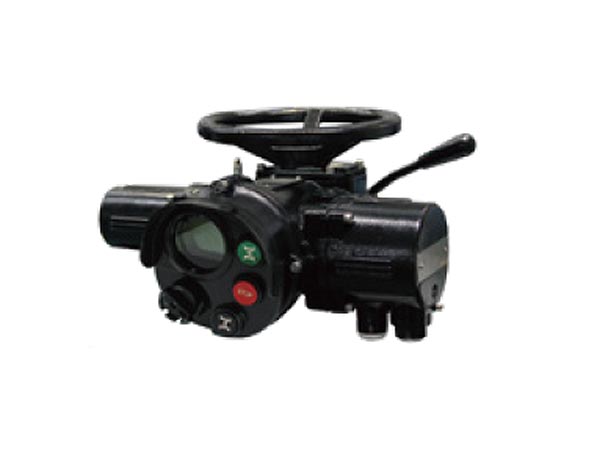
EMT Series LCD Display multi turn electric actuator
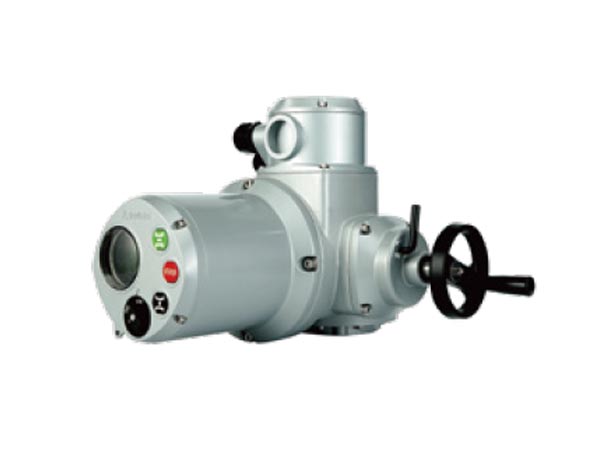
EMD multi turn electric actuator

EXC10-12 Intelligent Part turn electric actuator

EOM2-9-Intelligent quarter turn electric actuator with LCD display and local control

EOM13-15 quarter turn electric valve actuator 13000Nm-16000Nm-20000Nm
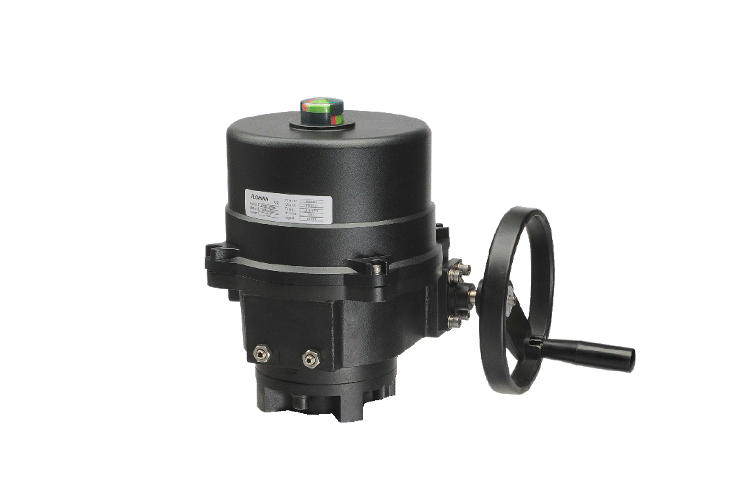
EOM2-9-quarter turn valve actuator-100Nm-2300Nm
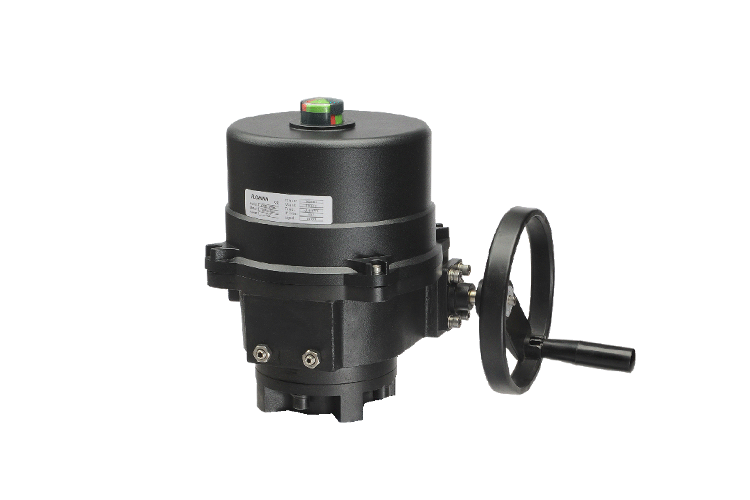
EOM2-9 fail safe quarter turn electric valve actuator 100Nm-2300Nm
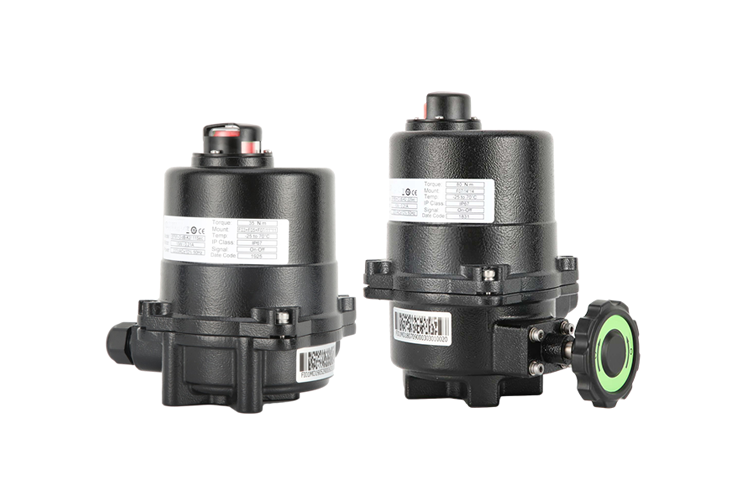
EFM1-A-B high speed Quarter turn actuator for Butterfly Valve
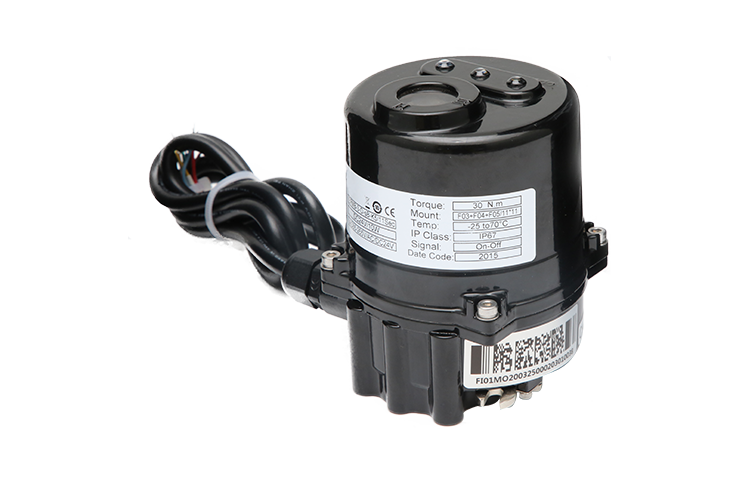
EFMB1-3-Quarter turn electric actuator-10Nm-20Nm-30Nm
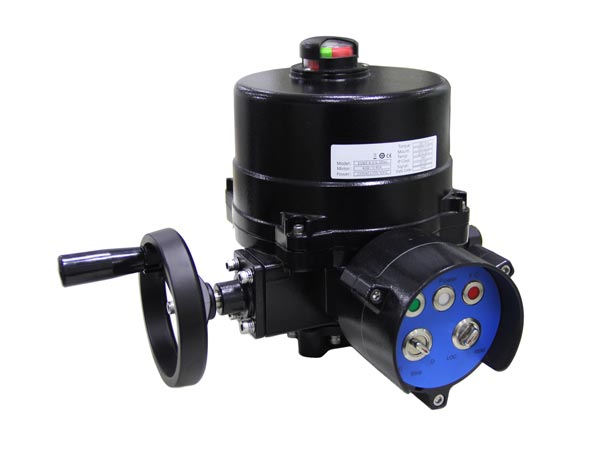
EOM quarter turn electric actuator local control