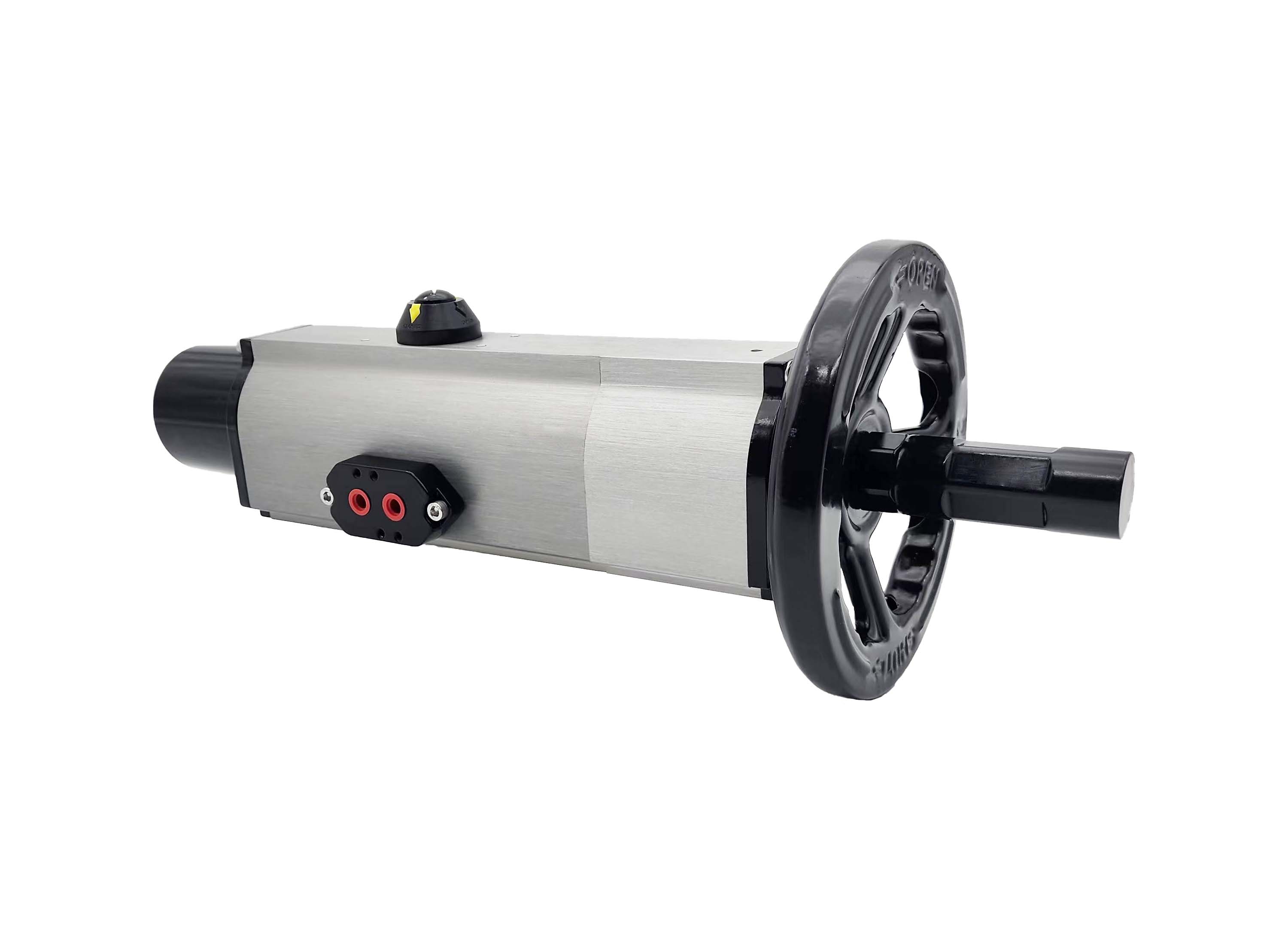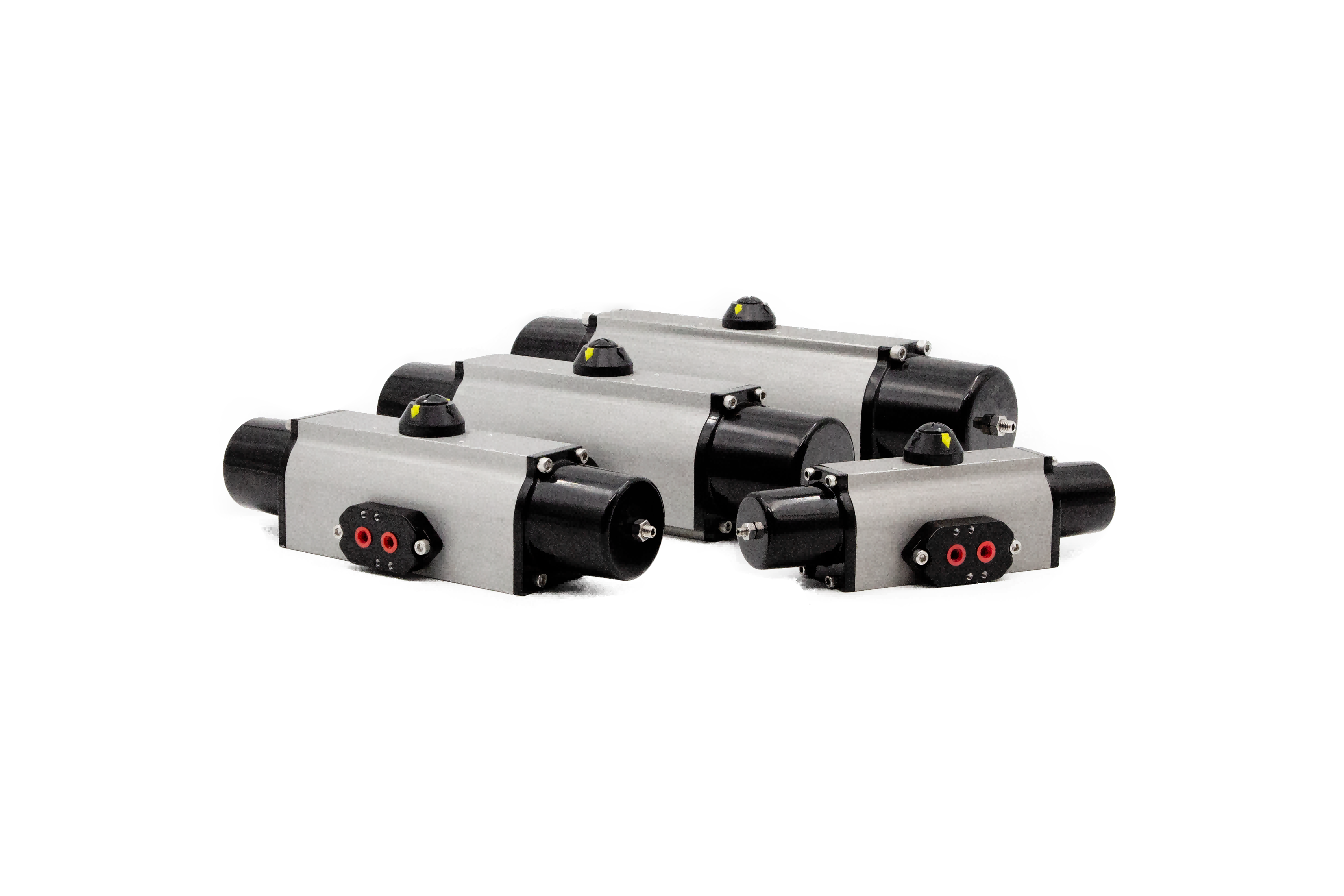








Latest Developments in Spring Pneumatic Actuators
 Oct 28, 2024|
 View:1177
Latest Developments in Spring Pneumatic Actuators
Enhanced Durability and Longevity: Modern spring pneumatic actuators are built to last, with an expected lifetime of approximately 25 years. This is achieved through the use of high-quality materials and robust construction, ensuring that the actuator can withstand the rigors of continuous operation in demanding conditions.
Improved Actuator Design: The latest designs incorporate features such as fully encapsulated spring cartridges, which not only ensure safety but also simplify the assembly process. The linear stroke of the valve is adjustable through external mechanical stops and adjustments to the valve stem coupling, providing flexibility in application setup.
Advanced Control Systems: Emerson, a leading manufacturer of such Spring Pneumatic actuators, offers a range of control systems tailored to customer requirements. These systems can be integrated with the actuator to provide precise control over valve operation, either locally or remotely.
Material Innovations: The use of materials like carbon steel and nitrile rubber in the construction of the actuator ensures durability and resistance to wear. Additionally, the incorporation of Viton rubber and Teflon in seals and sliding components reduces friction and enhances the actuator's lifespan.

Untethered Actuation: Spring Pneumatic Actuator has been a significant push towards untethered actuation in the field of soft robotics, which can also be applied to pneumatic actuators. This involves the use of external stimuli such as magnetic fields, heat, electricity, light, and humidity to actuate the soft robots without the need for physical connections to a power source. While this technology is still in development, it holds promise for the future of pneumatic actuation, potentially leading to more flexible and adaptable systems.
Maintenance and Troubleshooting: The latest manuals provide comprehensive guides on installation, operation, maintenance, and troubleshooting for spring pneumatic actuators. This includes detailed instructions on actuator assembly, pneumatic and electrical connections, commissioning, and calibration of the linear stroke and micro-switches. Troubleshooting guides help users quickly identify and resolve issues, minimizing downtime.
Environmental Adaptability: Newer models of spring pneumatic actuators are designed to operate over a wide range of temperatures, from -30°C to +100°C standard, with optional ranges extending to -60°C to +140°C. This adaptability allows them to be used in diverse environments without performance degradation.
Sustainability and Maintenance: The focus on sustainability has led to the development of maintenance procedures that minimize environmental impact. This includes the proper disposal of components and the use of materials that are easier to recycle or are derived from sustainable sources.