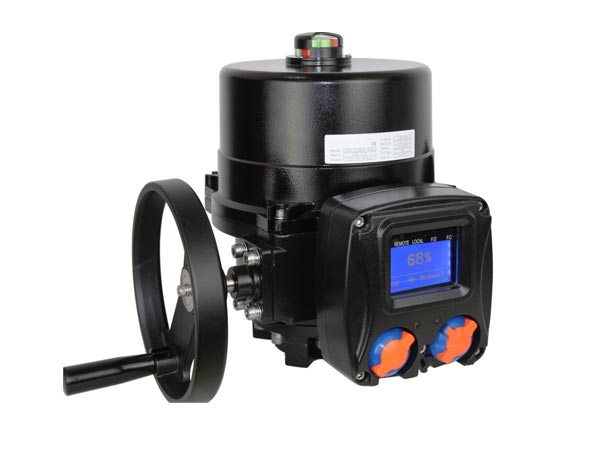








Intelligent Type Electric Actuator Revolutionizing Automation
 Oct 28, 2024|
 View:1168
The landscape of automation technology is undergoing a significant transformation, driven by advancements in intelligent systems. Among the key players in this evolution are intelligent type electric actuators. These devices, which convert electrical energy into mechanical motion, have become indispensable in various industrial applications, including robotics, manufacturing, and process control. This article delves into the features, benefits, and future of intelligent electric actuators, highlighting their role in enhancing operational efficiency and precision.
What is an Intelligent Type Electric Actuator?
An intelligent type electric actuator integrates traditional actuator functions with advanced control systems, enabling it to respond dynamically to varying operational conditions. Unlike conventional actuators, intelligent actuators can communicate with other devices and systems, allowing for real-time monitoring and adjustments. This capability is achieved through embedded sensors, control algorithms, and communication interfaces that facilitate data exchange.
Components of Intelligent Type Electric Actuators
Actuation Mechanism: The core component that converts electrical signals into mechanical motion, usually through linear or rotary motion.
Sensors: Integrated sensors (such as position, torque, and temperature sensors) provide feedback on the actuator's performance and environmental conditions.
Control System: The brain of the Intelligent type electric actuator, implementing control algorithms that allow for precise movement and positioning.
Communication Interface: Enables connectivity with other devices and systems, supporting protocols like Modbus, CANopen, and Ethernet/IP.
Power Supply: Often designed for energy efficiency, these actuators may use various power sources, including AC, DC, or battery systems.
Advantages of Intelligent Type Electric Actuators
1. Enhanced Precision and Control
Intelligent type electric actuators offer superior precision compared to their traditional counterparts. With real-time feedback from integrated sensors, these actuators can make instantaneous adjustments to their movement, ensuring that tasks are performed with high accuracy. This ability is crucial in applications such as robotics and CNC machining, where even the slightest deviation can lead to significant errors.
2. Energy Efficiency
Energy consumption is a critical concern in industrial environments. Intelligent electric actuators are designed to optimize energy usage by adjusting their power consumption based on the load and operational requirements. This not only reduces operational costs but also contributes to sustainability efforts by minimizing the carbon footprint.
3. Simplified Integration and Communication
The ability to communicate with other devices and systems is a game-changer in automation. Intelligent electric actuators can easily integrate into existing control systems, facilitating seamless communication and data sharing. This feature enables centralized monitoring and control, enhancing overall system efficiency.
4. Predictive Maintenance
With embedded sensors and communication capabilities, intelligent electric actuators can monitor their own health and performance. This data can be analyzed to predict potential failures before they occur, allowing for proactive maintenance. Predictive maintenance minimizes downtime and reduces maintenance costs, leading to higher operational efficiency.
5. Flexibility and Adaptability
Intelligent electric actuators can adapt to changing operational conditions. Whether it's adjusting to different loads or responding to variations in the production process, these actuators provide the flexibility needed in dynamic environments. This adaptability is particularly beneficial in industries such as packaging, where product specifications may change frequently.

Applications of Intelligent Type Electric Actuators
1. Manufacturing
In manufacturing, intelligent type electric actuators play a crucial role in automating assembly lines. Their precision and adaptability enable manufacturers to produce high-quality products with minimal waste. Additionally, the ability to communicate with other machines ensures synchronized operations, enhancing overall productivity.
2. Robotics
Robotic systems rely heavily on actuators for movement and manipulation. Intelligent electric actuators provide the necessary precision and control for tasks such as pick-and-place operations and robotic surgery. Their ability to process data in real-time allows robots to perform complex tasks with high accuracy.
3. Process Control
In industries such as oil and gas, water treatment, and chemical processing, intelligent electric actuators are used to control valves and other critical components. Their real-time feedback capabilities ensure that processes operate within desired parameters, enhancing safety and efficiency.
4. Aerospace and Defense
The aerospace and defense sectors demand high reliability and precision. Intelligent type electric actuators are employed in various applications, from controlling flight surfaces to robotic systems used in maintenance and assembly. Their ability to operate under extreme conditions makes them suitable for these demanding environments.
Challenges and Considerations
Despite the numerous advantages, the adoption of intelligent electric actuators is not without challenges. Some of the key considerations include:
1. Initial Cost
The advanced technology and features of intelligent electric actuators can result in higher initial costs compared to traditional actuators. However, the long-term savings from increased efficiency and reduced maintenance may offset these costs.
2. Complexity of Integration
Integrating intelligent type electric actuators into existing systems may require significant engineering effort and expertise. Organizations must consider the compatibility of new actuators with legacy systems and ensure proper training for personnel.
3. Data Security
As intelligent electric actuators become more interconnected, the risk of cyber threats increases. Organizations must implement robust cybersecurity measures to protect their systems and data from potential attacks.
Future Trends
The future of intelligent type electric actuators looks promising, with several trends shaping their development:
1. Increased Use of Artificial Intelligence
The integration of artificial intelligence (AI) into intelligent type electric actuators will enhance their capabilities. AI algorithms can analyze data from sensors to improve decision-making processes, leading to even greater precision and efficiency.
2. Miniaturization and IoT Integration
As the demand for compact and efficient solutions grows, manufacturers are likely to focus on miniaturizing intelligent electric actuators. Furthermore, integration with the Internet of Things (IoT) will enable these actuators to operate within smart environments, sharing data with other devices and systems for enhanced automation.
3. Sustainability Focus
With increasing emphasis on sustainability, future intelligent electric actuators will likely incorporate eco-friendly materials and designs. Energy efficiency will remain a priority, aligning with global efforts to reduce environmental impact.
Intelligent type electric actuators are at the forefront of the automation revolution, offering unparalleled precision, energy efficiency, and adaptability. Their ability to integrate with modern control systems and communicate in real-time makes them essential in various industries. As technology continues to advance, these actuators will play an even more significant role in shaping the future of automation. Embracing this innovative technology can lead to enhanced operational efficiency, reduced costs, and a competitive edge in an increasingly automated world.