




What does a valve actuator do?
 Sep 18, 2025|
 View:1110
The primary function of a valve actuator is to convert a control signal into precise mechanical motion. This motion is typically rotary (for quarter-turn valves like ball, butterfly, and plug valves) or linear (for multi-turn valves like gate and globe valves). This conversion process can be broken down into a few key steps:
Signal Reception: The actuator receives a command from a control system. This command can come in various forms:
Pneumatic: A change in air pressure (e.g., 3-15 psi or 0.2-1.0 bar).
Electric: An electrical signal (e.g., 4-20 mA analog, or a digital command via protocols like HART, Foundation Fieldbus, or Profibus).
Hydraulic: A change in fluid pressure.
Manual: A human operator physically engaging a handwheel or lever on the actuator itself.
Energy Conversion: The actuator takes the energy from the signal and converts it into mechanical force.
A pneumatic actuator uses the pressure of compressed air to push a piston or diaphragm.
An electric actuator uses an electric motor to drive a series of gears.
A hydraulic actuator uses pressurized fluid to create linear or rotary motion.
Motion Application: The generated force is then applied to the valve's stem. For quarter-turn valves, this results in a precise 90-degree (or sometimes 180-degree) rotation. For multi-turn valves, it results in the linear thrust required to lift or lower a gate or plug.
Position Feedback: Most modern actuators are equipped with positioners and feedback sensors. These devices report the valve's real-time position (e.g., 50% open) back to the control system, creating a closed-loop control system that ensures the command has been executed accurately.
The Three Main Types of Actuators
The choice of actuator type is crucial and depends on the application's requirements for power, speed, safety, and cost.
1. Pneumatic Actuators
Pneumatic actuators are the most common type in process industries like oil and gas, chemical, and water treatment. They use compressed air or gas as their power source.
How they work: The most common designs are piston actuators (using a single or double-acting piston) and diaphragm actuators (often used with spring return for fail-safe operation). Air pressure acts on the piston or diaphragm, creating linear force that is often converted to rotary motion via a rack-and-pinion or scotch yoke mechanism.
Advantages: Simple, robust, explosive-proof (as they create no sparks), fast acting, and capable of generating very high torque. They are generally less expensive than electric actuators for applications requiring high force.
Disadvantages: Require a clean, dry supply of compressed air, which involves significant infrastructure (compressors, dryers, air lines). Their control can be less precise than electric options without additional, sophisticated positioning hardware.

2. Electric Actuators
Electric actuators are increasingly popular due to the widespread availability of electricity and the rise of digital control systems.
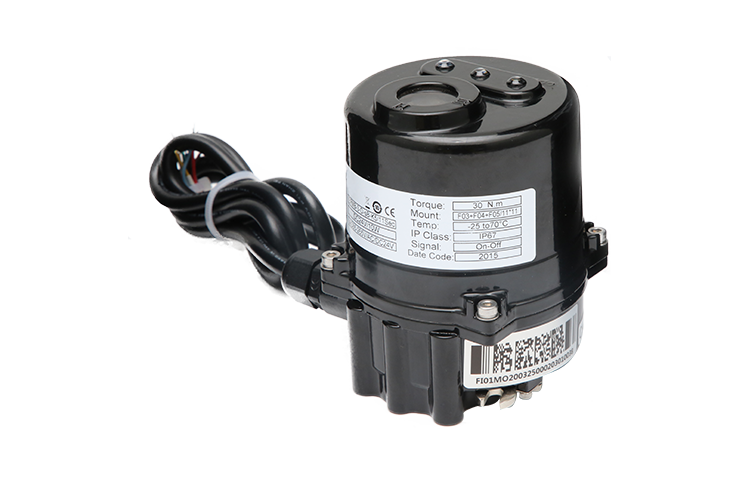
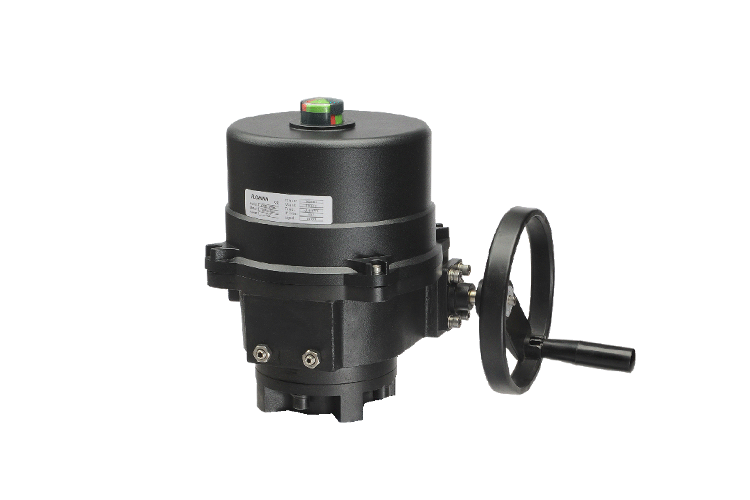
How they work: An electric motor (typically AC or DC) provides rotational force. This high-speed, low-torque motor output is passed through a gear train to reduce the speed and dramatically increase the output torque. This torque is then used to rotate the valve stem.
Advantages: High precision, excellent control, and flexibility. They can easily be integrated into sophisticated digital control systems. They do not require the expensive compressed air infrastructure of pneumatic systems. Their energy consumption is often lower, as they only draw power when moving.
Disadvantages: Generally slower than pneumatic actuators. They can be a spark hazard and require special housing for use in explosive atmospheres. The initial purchase cost can be higher, especially for high-torque applications. They typically lack an inherent fail-safe mode unless equipped with a battery backup or spring-return mechanism.
3. Hydraulic Actuators
Hydraulic actuators are used in the most demanding applications where immense force is required.
How they work: They operate on a principle similar to pneumatic actuators but use an incompressible fluid (oil) instead of compressible air. This allows them to generate extremely high forces from a relatively compact device.
Advantages: Capable of producing the greatest force of all actuator types. Very stiff and precise under load.
Disadvantages: They are complex, expensive, and can present a fire hazard if the hydraulic fluid leaks. They require a dedicated hydraulic power unit (pump, reservoir, valves, and fluid), making them the most infrastructure-intensive option.
Key Selection Criteria: Choosing the Right Muscle
Selecting the right actuator is a systems engineering decision. Key factors include:
Valve Type and Torque/Thrust Requirements: The most critical factor. The actuator must generate enough torque to overcome the valve's seating and dynamic friction forces, often with a safety factor (e.g., 25-50% extra torque).
Power Source Availability: Is compressed air, electricity, or hydraulic power readily available at the location? The cost of installing this infrastructure is a major consideration.
Operating Speed: How quickly does the valve need to open or close? Pneumatic actuators are the fastest.
Fail-Safe Requirements: What must the valve do in case of a power or signal failure? Options include fail-open (FO), fail-closed (FC), or fail-in-place (FIP). Pneumatic actuators with spring-return are a common and reliable fail-safe solution.
Control Precision: Does the application require simple on/off control or precise modulating (throttling) control? Electric actuators excel at precise modulation.
Environmental Conditions: The actuator must be rated for the surrounding atmosphere (e.g., corrosive, explosive, extreme temperatures, underwater) and have the correct Ingress Protection (IP) or NEMA rating.
Ubiquitous Applications
Valve actuators are everywhere, silently performing critical tasks:
Water & Wastewater Treatment: Controlling the flow of water, chemicals, and sludge throughout the treatment process.
Oil & Gas: Regulating the flow of crude oil, natural gas, and refined products in pipelines, refineries, and offshore platforms. They are essential for emergency shutdown (ESD) systems.
Power Generation: Managing the flow of steam, water, and fuel in nuclear, fossil fuel, and renewable energy plants.
Chemical & Pharmaceutical: Precisely dosing and mixing ingredients in sensitive and often sterile processes.
Marine: Controlling ballast, fuel, and cooling systems on ships.
HVAC: Regulating the flow of hot water, chilled water, and steam in building heating and cooling systems.
The valve actuator is a masterpiece of practical engineering, a device that translates abstract control commands into tangible physical action. It is the critical link that enables the automation, safety, efficiency, and precision of modern industrial processes. From ensuring the clean water from our taps to managing the complex chemistry in a pharmaceutical lab, valve actuators work tirelessly behind the scenes. They are, without a doubt, the unsung heroes that keep the flows of modern civilization moving safely and efficiently.