







The key role of Part turn electric actuators in the process control industry
 May 16, 2023|
 View:1443
Part turn electric actuators are an important part of the process control industry because they provide precise and reliable automation of valves and other equipment. These actuators offer numerous advantages over their pneumatic and hydraulic counterparts, including greater accuracy, higher efficiency and better control. In this article, we will explore the role of Part turn electric actuators in the process control industry, highlighting their benefits and applications.
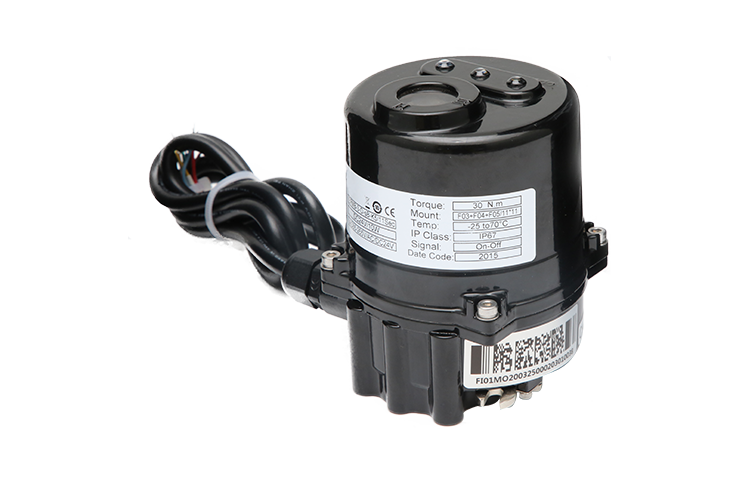
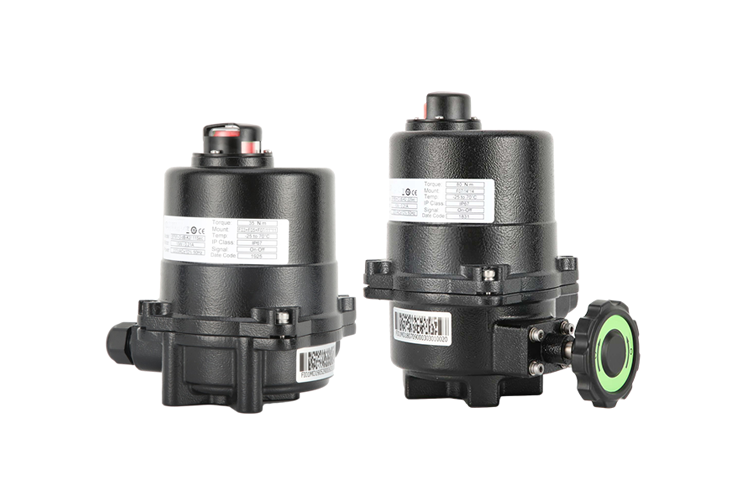
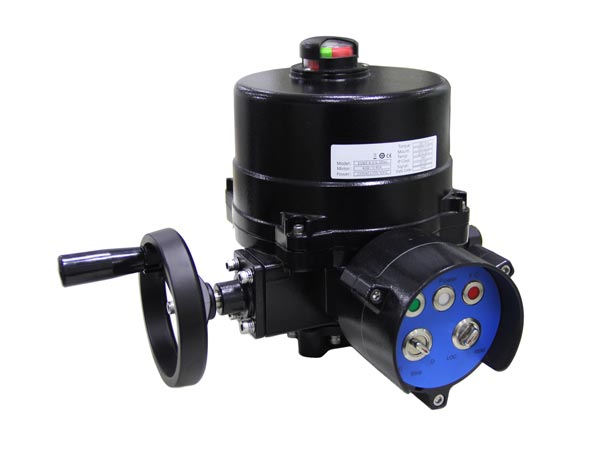
Part turn electric actuators are designed to rotate a valve or other device by a set angle, typically 90 or 180 degrees. They are powered by an electric motor and controlled by a variety of inputs, such as digital signals, analog signals, or even wireless communication. Part turn electric actuators can be configured for a variety of torque outputs, from a few Newton meters to thousands of Newton meters, making them suitable for many different industrial applications.

Key benefits of Part turn electric actuators:
(1) Accuracy.
Unlike pneumatic and hydraulic systems that rely on compressed air or liquid for power, electric actuators provide precise and repeatable motion control. Electric actuators are also more efficient than traditional actuators because they consume less energy and produce less waste heat. This makes them an attractive option for companies looking to reduce their energy costs and carbon footprint.
(2) Control of the valves or other devices connected to them can be improved.
Electric actuators can be programmed to respond to a variety of inputs, allowing operators to fine-tune the performance of their equipment. For example, an electric actuator can be programmed to automatically adjust its speed in response to changes in fluid flow rate, ensuring that valves open and close smoothly and consistently.
(3) For a variety of process control applications.
This includes water treatment plants, chemical processing plants, and oil and gas production facilities. A common use case is the control of electric valves used to regulate the flow of fluids through pipelines and other equipment. Electric actuators can also be used to automate other equipment such as dampers, gates and process control valves.
(4) Reliability.
Unlike pneumatic and hydraulic systems, which are prone to leaks and other failures, electric actuators have no fluid connections and require little maintenance. This reduces downtime and maintenance costs and improves overall plant efficiency.
In short, Part turn electric actuators play a key role in the process control industry by providing precise and reliable automation of valves and other equipment. They offer many advantages over traditional pneumatic and hydraulic systems, including greater accuracy, higher efficiency, better control and greater reliability. Part turn electric actuators will continue to be an important technology for the future of process control as companies look for ways to reduce energy consumption and improve operations. If you need more detailed information, please feel free to contact us!