







What is the difference between pneumatic and electric actuators?
 Feb 10, 2025|
 View:1486
Actuators are essential components in various industrial and automation applications, serving as devices that convert energy into motion. Two common types of actuators are pneumatic and electric actuators. While both serve similar purposes, they operate based on different principles and have distinct characteristics. This article will explore the differences between pneumatic and electric actuators, including their mechanisms, advantages, disadvantages, and typical applications.
1. Mechanism of Operation
Pneumatic Actuators
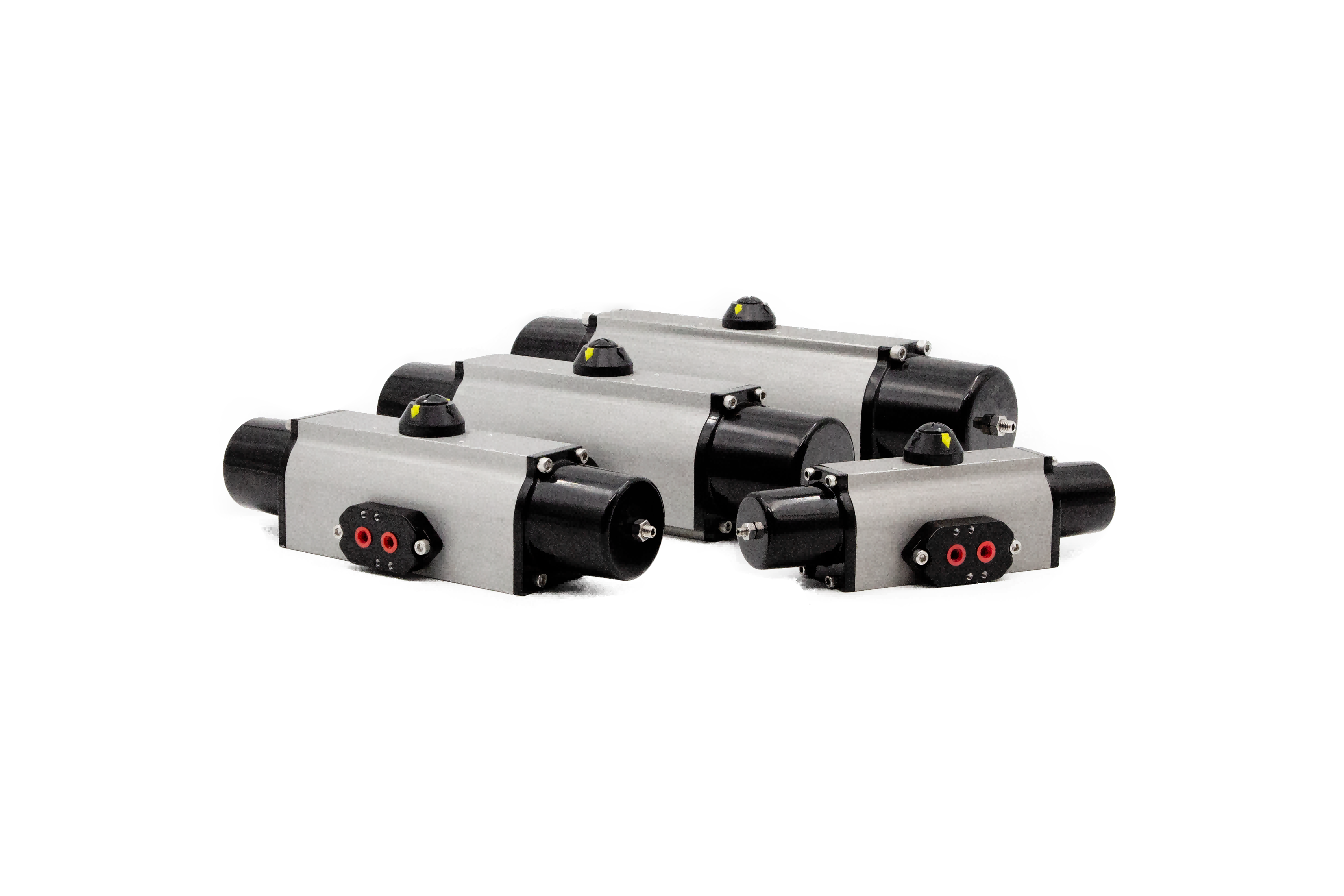
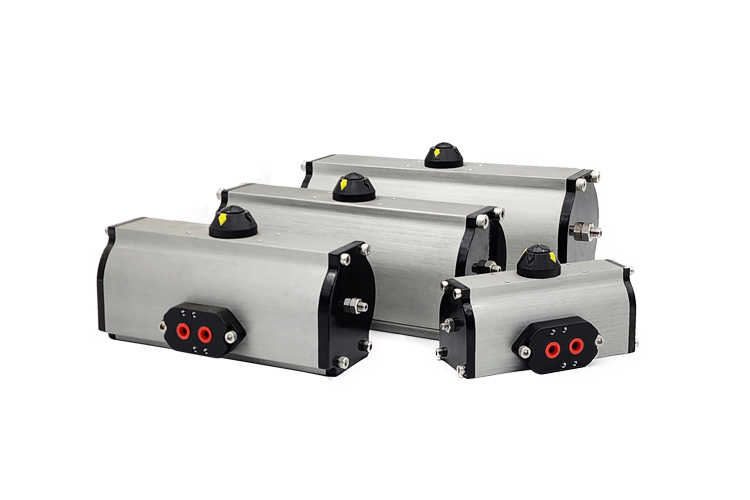
Pneumatic actuators utilize compressed air to create motion. The actuator consists of a cylinder and a piston. When compressed air is introduced into the cylinder, it pushes the piston, resulting in linear motion. In rotary pneumatic actuators, the air pressure is used to turn a shaft.
Types: Common types include diaphragm actuators, piston actuators, and rotary actuators.
Operation: The speed and force of the actuator can be controlled by adjusting the pressure of the air supply.
Electric Actuators
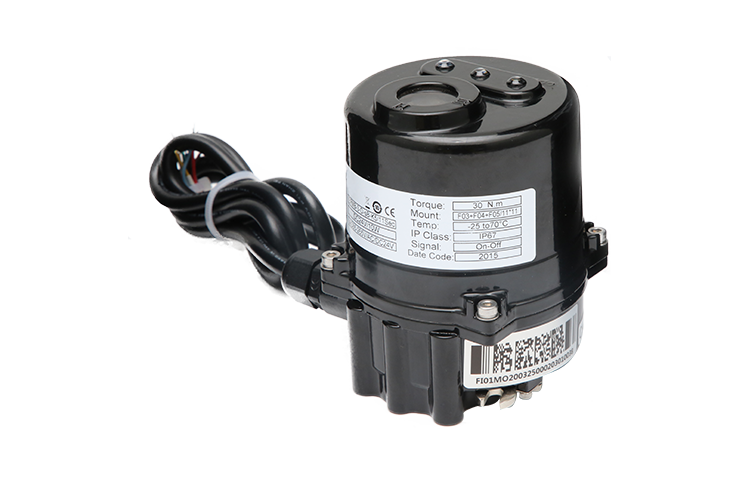
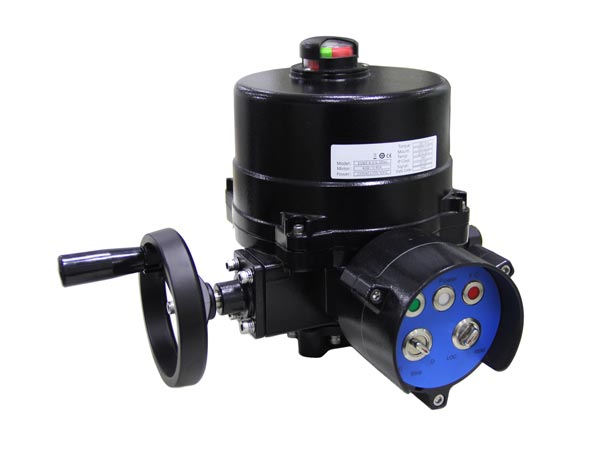
Electric actuators, on the other hand, convert electrical energy into mechanical motion. They typically consist of an electric motor connected to a gear system that translates the rotational motion of the motor into linear or rotary motion.
Types: Electric actuators can be classified into linear actuators and rotary actuators, including stepper motors and servo motors.
Operation: The position, speed, and torque can be precisely controlled through electrical signals, making them suitable for applications requiring high accuracy.
2. Energy Source
Pneumatic Actuators
Pneumatic actuators rely on compressed air as their energy source. This requires a dedicated air supply system, including compressors and storage tanks.
Advantages: Pneumatic systems can produce high power in a compact size and are typically very fast.
Disadvantages: The need for an air supply can lead to increased operational costs and maintenance issues. Additionally, pneumatic systems might struggle with applications requiring fine control.

Electric Actuators
Electric actuators use electricity as their energy source. They can be powered by various sources, including batteries, direct electrical connections, or renewable energy systems.
Advantages: Electric actuators can provide precise control, are easy to integrate with control systems, and do not require additional infrastructure like air compressors.
Disadvantages: They may have limitations in terms of speed and force compared to pneumatic systems, especially in heavy-duty applications.

3. Control and Precision
Pneumatic Actuators
While pneumatic actuators can be controlled using various methods, such as pressure regulators and flow control valves, achieving high precision can be challenging. The compressibility of air can lead to delays and variability in response times.
Control: Typically less precise than electric actuators, but they can achieve high speeds and rapid actuation.
Applications: Ideal for applications where speed is more critical than precision, such as in material handling and packaging.
Electric Actuators
Electric actuators excel in control and precision. They can be easily programmed and integrated with advanced control systems, allowing for fine-tuned movements and positions.
Control: Provide excellent feedback and control options, including position sensors and encoders.
Applications: Suitable for applications requiring high precision, such as robotics, CNC machinery, and automation systems.
4. Speed and Force
Pneumatic Actuators
Pneumatic actuators are known for their high speed and ability to generate significant force relative to their size. They can rapidly complete cycles, making them suitable for dynamic applications.
Speed: Generally faster than electric actuators due to the rapid movement of air.
Force: Can generate substantial force, making them suitable for heavy-duty tasks.
Electric Actuators
Electric actuators typically operate at slower speeds compared to pneumatic systems. However, they can deliver high torque and force, especially in geared applications.
Speed: Slower than pneumatic actuators in many cases, but advancements in technology are improving electric actuator speeds.
Force: Capable of providing high torque, particularly in applications where force needs to be controlled accurately.
5. Maintenance and Reliability
Pneumatic Actuators
Pneumatic systems require regular maintenance to ensure the air supply is clean and free from moisture. Components such as filters, regulators, and lubricators must be monitored and maintained.
Maintenance: Requires more upkeep due to the air supply system.
Reliability: Generally reliable but can be affected by air quality and leaks in the system.
Electric Actuators
Electric actuators typically require less maintenance, as they do not rely on an external air supply. However, the motor and electrical components may need occasional inspection.
Maintenance: Generally lower maintenance needs than pneumatic systems.
Reliability: Highly reliable, especially modern electric actuators with advanced sensors and control systems.
6. Cost Considerations
Pneumatic Actuators
The initial cost of pneumatic actuators can be lower than that of electric actuators, but the overall cost of ownership may increase due to the need for air compressors, piping, and maintenance.
Initial Cost: Often lower due to simpler designs.
Long-term Cost: May increase due to energy consumption and maintenance.
Electric Actuators
Electric actuators generally have a higher initial cost due to the complexity of the motor and control systems. However, they can lead to lower operational costs over time.
Initial Cost: Typically higher than pneumatic actuators.
Long-term Cost: Often lower due to reduced maintenance and no need for compressed air.
7. Environmental Considerations
Pneumatic Actuators
Pneumatic actuators may have environmental concerns due to the use of compressed air, which can lead to energy waste if not managed properly. Additionally, they can produce noise during operation.
Energy Efficiency: Can be less energy-efficient compared to electric systems.
Noise: Generally noisier during operation.
Electric Actuators
Electric actuators are often considered more environmentally friendly, as they do not produce noise and can be powered by renewable energy sources.
Energy Efficiency: More energy-efficient and can be powered by renewable sources.
Noise: Usually operate quietly, making them suitable for noise-sensitive environments.
8. Applications
Pneumatic Actuators
Pneumatic actuators are commonly used in applications such as:
Material Handling: Fast-moving processes in factories and warehouses.
Automated Packaging: Rapid actuation for filling, sealing, and labeling.
Robotics: Simple robotic arms and pick-and-place operations.
Electric Actuators
Electric actuators are widely used in:
Robotics: Precision movements in robotic arms and assembly lines.
CNC Machines: High-precision cutting and machining applications.
Valve Control: Regulating fluid flow in various industrial processes.
Both pneumatic and electric actuators have their unique advantages and disadvantages. The choice between the two depends on various factors, including the specific requirements of the application, budget constraints, and operational considerations. Pneumatic actuators excel in speed and force, making them suitable for dynamic tasks, while electric actuators offer precision and ease of control, making them ideal for applications requiring accuracy. Understanding these differences can help engineers and designers select the appropriate actuator for their needs.