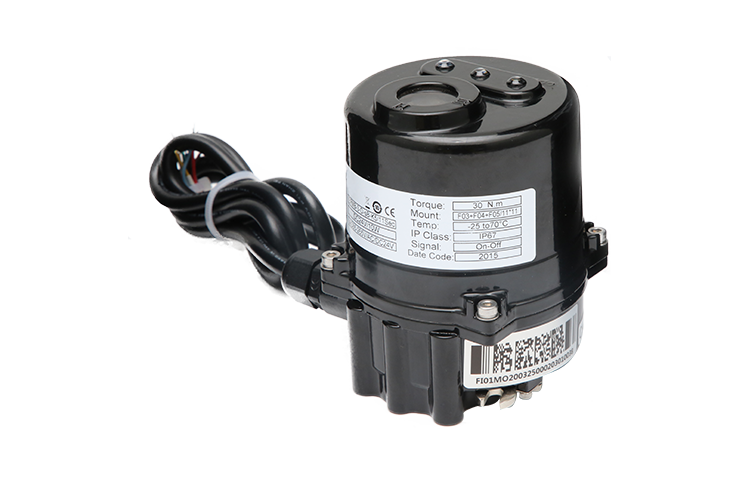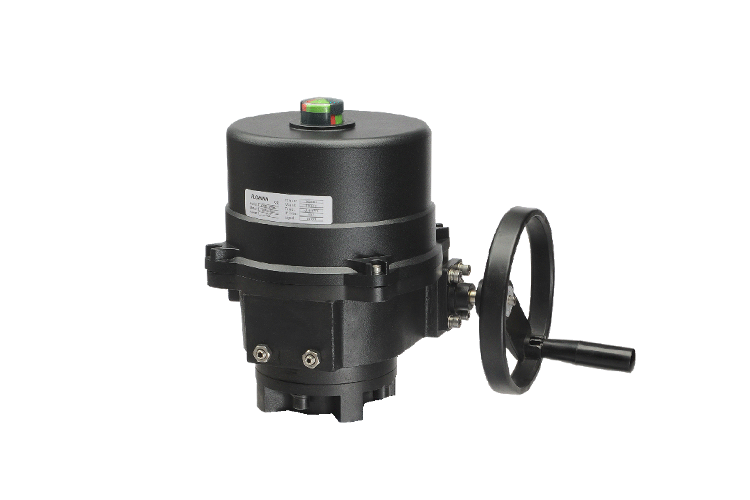






A valve actuator is a device that is used to control the opening and closing of valves in various systems. It is responsible for providing the necessary force or torque to move the valve mechanism, allowing for the regulation or redirection of fluid or gas flow.
The main advantage of valve actuators is their ability to automate the operation of valves, eliminating the need for manual adjustment. They offer precise control, rapid response times, and the ability to handle high-pressure and high-temperature environments. Valve actuators find applications in industries such as oil and gas, water treatment, power generation, chemical processing, and HVAC systems.
Valve actuators can have different structures and features depending on the type of actuation method used. Common types include electric actuators, pneumatic actuators, and hydraulic actuators. Electric actuators use electrical energy to drive the valve mechanism, while pneumatic actuators utilize compressed air or gas, and hydraulic actuators rely on hydraulic fluid for operation.
The installation and usage of a valve actuator involve several steps. Firstly, the actuator should be selected based on the type of valve, the required torque or force, and the actuation method suitable for the application. The actuator is then mounted onto the valve using appropriate brackets or couplings. Electrical connections, such as wiring or control signals, are established for electric actuators, while pneumatic or hydraulic lines are connected for pneumatic or hydraulic actuators.
To use a valve actuator effectively, it is crucial to understand the operating specifications and limitations provided by the manufacturer. Proper calibration and programming of the actuator may be required to ensure accurate and reliable valve control. Regular maintenance, including lubrication and inspection, should be performed to keep the actuator in optimal condition.
In summary, valve actuators are essential devices for automated valve control in various industries. Their advantages include precise control, rapid response, and suitability for demanding environments. Proper selection, installation, and usage of valve actuators are important for efficient and reliable valve operation in different fluid or gas systems.
 support@kanede.com
 Search