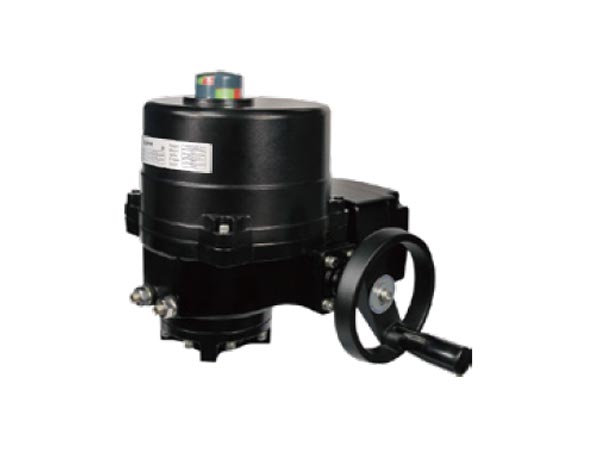








How Fail Safe Pneumatic Actuators Work
 Jul 08, 2024|
 View:2696
Introduction to Fail-Safe Pneumatic Actuators
How Fail-Safe Pneumatic Actuators Work
Normal Operation: During normal operation, compressed air is supplied to the actuator, which moves the valve or mechanism to the desired position.
Failure Condition: If the control signal is lost, a fail-safe mechanism, such as a spring return or a check valve, is triggered.
Safe Position: The actuator moves to a safe position, which can be either fully open, fully closed, or a neutral position, depending on the design and application requirements.
Types of Fail-Safe Pneumatic Actuators
Spring-Return Actuators: These actuators use a spring mechanism to return to the safe position when the air supply is cut off.
Double-Acting Actuators: These require air pressure to maintain the position in both directions and revert to a safe position when the air supply is lost.
Check-Valve Actuators: Incorporate a check valve that allows air to escape in the event of a failure, causing the actuator to move to the safe position.

Applications of Fail-Safe Pneumatic Actuators
Process Control: Used in chemical, pharmaceutical, and food processing industries to control flow rates and maintain process safety.
Machine Safety: Employed in machinery to ensure that in the event of a failure, the machine moves to a safe state, such as stopping or retracting guards.
Emergency Shut-Off: Common in power plants and industrial facilities to automatically shut off systems in case of critical failures.
Medical Equipment: Utilized in medical devices to ensure that in the event of a malfunction, the device reverts to a non-hazardous state.
Benefits of Fail-Safe Pneumatic Actuators
Enhanced Safety: Provides an additional layer of safety by ensuring that the system defaults to a safe state in case of failure.
Reliability: Reduces the risk of accidents and downtime by ensuring consistent operation even during system failures.
Compliance: Meets safety standards and regulations in various industries, ensuring legal compliance.
Versatility: Suitable for a wide range of applications, from simple on/off control to complex motion control systems.
Design Considerations for Fail-Safe Pneumatic Actuators
Duty Cycle: The actuator should be designed to handle the specific duty cycle of the application.
Environmental Conditions: Consider the temperature, humidity, and potential exposure to chemicals or other environmental factors.
Actuator Size: Choose the appropriate size based on the force and torque requirements of the application.
Mounting Options: Ensure that the actuator can be easily mounted and integrated into the existing system.
Future Developments in Fail-Safe Pneumatic Actuators
Smart Actuators: Integration of sensors and IoT technology for real-time monitoring and predictive maintenance.
Energy Efficiency: Development of actuators that consume less compressed air, reducing energy consumption.
Customizable Fail-Safe Mechanisms: Advancements in design to allow for more customized fail-safe mechanisms tailored to specific applications.