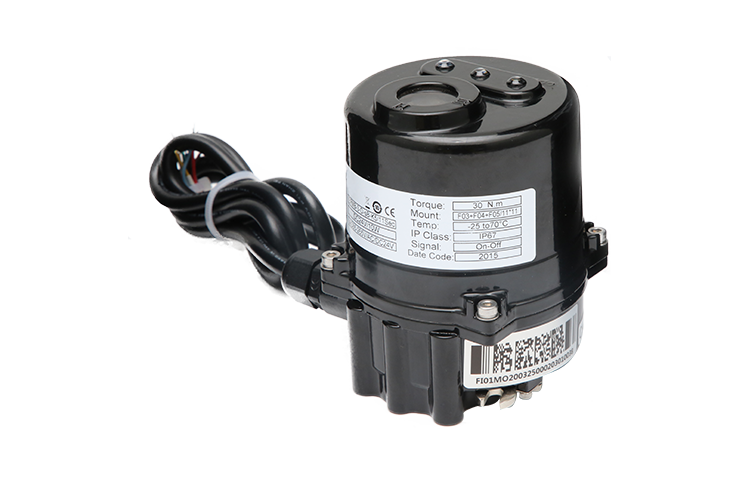






A small actuator refers to a compact and versatile device that converts various forms of energy, such as electrical, hydraulic, or pneumatic, into mechanical motion. It is commonly used to control or move small mechanisms or components in a precise and efficient manner.
The main advantage of small actuators is their compact size, which allows them to be easily integrated into limited spaces or small-scale applications. They offer precise control, high responsiveness, and can generate sufficient force or torque relative to their size. Small actuators are widely utilized in industries such as robotics, automation, medical devices, aerospace, and automotive.
The structure and characteristics of small actuators can vary depending on the specific application and energy source used. They typically consist of components such as a motor, gears, transmission systems, and feedback sensors. Small actuators may feature different operating principles, including rotary, linear, or rotational movements, to cater to specific motion requirements.
Installing and using a small actuator involves several steps. Firstly, the actuator should be selected based on the desired motion type, force or torque output, and size constraints. Next, it needs to be properly mounted or connected to the mechanism or component it will be driving. This may involve securing it with fasteners, brackets, or couplings.
Additionally, small actuators often require a power source and control system for operation. Electrical actuators need to be connected to an appropriate power supply and controlled using voltage or current signals. Hydraulic or pneumatic actuators may require connections to fluid or air lines, along with control valves or regulators for precise motion control.
To effectively use a small actuator, it is essential to understand the operating specifications, limitations, and safety considerations outlined by the manufacturer. Proper maintenance, including periodic lubrication and inspection, should be performed to ensure optimal performance and longevity.
In summary, small actuators provide compact and efficient motion control solutions for various applications. Their advantages include their small size, precise control, and adaptability to limited spaces. Proper selection, installation, and utilization of small actuators are crucial to achieving desired motion outcomes in a reliable and efficient manner.
 support@kanede.com
 Search